For adults 21 and over.
Pull up a chair. I spend my days at the rolling bench, and one question comes up more than any other: hand-rolled cigars vs machine made, which is better? It's a fair question, and the honest answer depends on what you want from your smoke.
At Cremo, a brand that dates to 1896, we hand-roll premium cigars at our factory in Little Havana, Miami, and in Puerto Plata in the Dominican Republic. So yes, I have a soft spot for leaf and hands. But I'll give you the real differences, plain and simple, so you can pick what fits your taste and your budget. This guide is about craft and flavor, not health. No cigar is a health choice, hand-rolled or not.
Hand-Rolled Cigars vs Machine Made: The Short Answer
Neither type wins for everyone. Here's the quick version:
- Tobacco: Hand-rolled premium cigars usually use long-filler, whole leaves that run the full length of the cigar. Machine-made cigars usually use short filler, which is chopped leaf, and many use a binder made from processed tobacco sheet.
- Construction: A skilled roller builds a hand-rolled cigar leaf by leaf. A machine-made cigar comes off a production line in large numbers.
- Flavor: Hand-rolled cigars tend to change and deepen as you smoke. Machine-made cigars tend to taste about the same from start to finish.
- Price: Hand-rolled costs more because of the labor, the leaf, and the aging time. Machine-made is easier on the wallet.
- Consistency: Machines make cigars that look the same every time. Good hand-rolling factories get consistent through careful blending and quality checks.
If you want a slow, layered smoke to enjoy, hand-rolled is usually the way to go. If you want a quick, simple smoke at a lower price, machine-made can do the job.
How a Hand-Rolled Cigar Is Made (From the Roller's Bench)
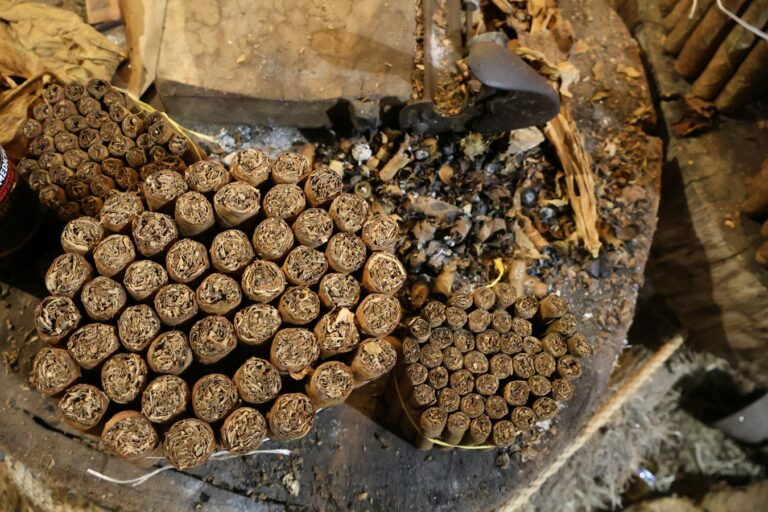
A hand-rolled cigar starts long before it reaches my bench. The tobacco is grown, harvested, and hung to cure. Then it ferments in large piles, which calms the harsh edges and brings out flavor. After that, the leaf ages, sometimes for years.
When the leaf reaches the factory, the blender picks the filler leaves. Each one has a job:
- Ligero comes from the top of the plant. It brings strength and burns slowly.
- Seco comes from the middle. It adds aroma and body.
- Volado comes from the bottom. It helps the cigar burn well.
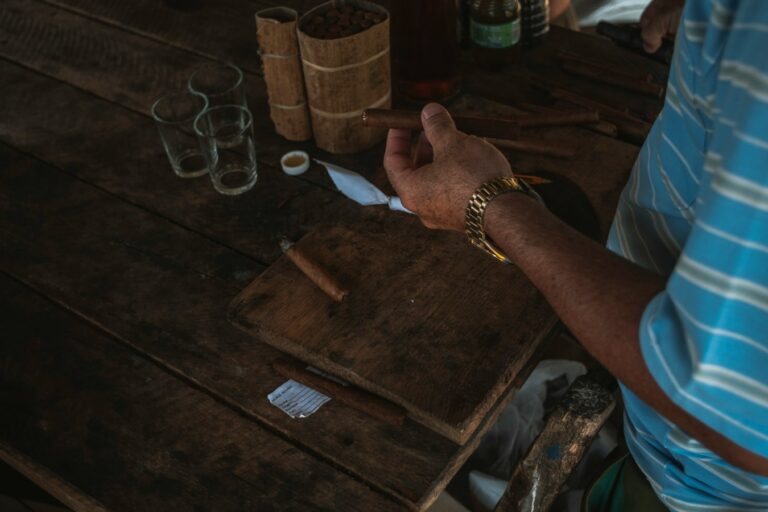
Here's where the hands come in. The buncher folds the filler leaves together so air can flow through them, then wraps them in a binder leaf. That bunch goes into a wooden mold and rests under a press. Next, the roller lays out a wrapper leaf, trims it with a curved blade called a chaveta, and rolls it around the bunch with steady tension. Too tight and the cigar won't draw. Too loose and it burns hot and fast. A small round of leaf becomes the cap, glued on with a dab of natural vegetable gum.
Every cigar gets checked for feel, look, and draw. Then the cigars rest in an aging room so the tobaccos can settle and marry. In Little Havana and in Puerto Plata, our rollers do this by hand, one cigar at a time. It takes years to learn, and you can feel that skill when you hold a well-made one.
How Machine-Made Cigars Are Made and What Goes Into Them
Machine-made cigars are built for speed and volume. Machines cut the tobacco, form the bunch, and wrap it. One line can turn out a huge number of cigars in the time it takes a roller to finish a handful.
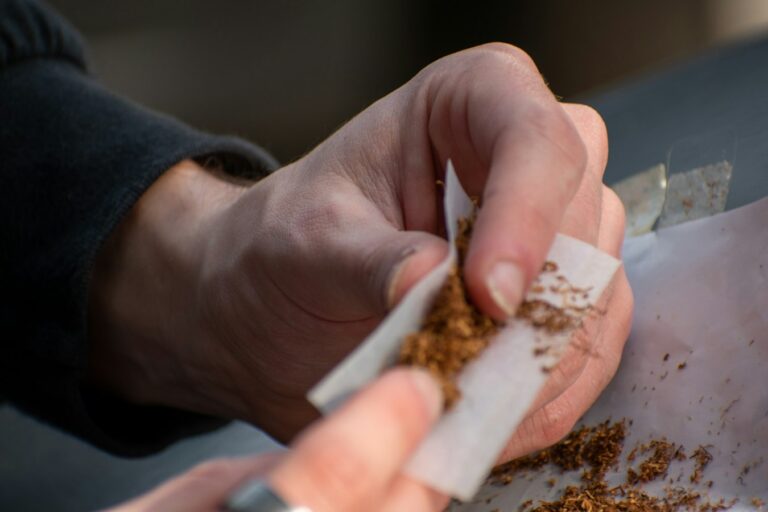
Most machine-made cigars use short filler. That's chopped tobacco, often trimmings left over from other work. Many also use a homogenized tobacco sheet as the binder, and sometimes as the wrapper. This sheet is made by grinding tobacco into a pulp and pressing it flat, a bit like paper. It's easy for machines to handle, which keeps costs down.
Some machine-made cigars also have added flavors, like vanilla or sweet tips. Others are "mixed filler" or machine-bunched, then finished by hand with a real wrapper leaf.
To be fair, not every machine-made cigar is a bad smoke. Some are pleasant, mild, and reliable for what they are. They just aim for a different target than a premium hand-rolled cigar.
Flavor, Draw, and Burn: Where You Can Taste the Difference
This is where the bench meets the ashtray.
Flavor. Long-filler leaves burn together from foot to head, so a hand-rolled cigar often shifts as you smoke. The first third might be woody and smooth. The middle might bring spice or cocoa. The last third can get richer and bolder. Short filler mixes everything up, so machine-made cigars usually keep one steady flavor, and some lean on added flavors.
Draw. The draw is how easily smoke pulls through. In a hand-rolled cigar, the draw depends on the buncher's skill. When it's done right, the draw is smooth and even. Now and then a roller misses and you get a tight one, which is why good factories test draw before cigars leave the building. Machine-made cigars usually draw easily, sometimes so easily that they smoke hot.
Burn. Whole leaves tend to burn slower and cooler. They often hold a long, firm ash. Short filler burns faster and may drop ash sooner. If you like to sit back for an hour with a good drink and good company, you'll notice the difference.
Consistency. Machines win on looks. Every cigar comes out the same shape and size. With hand-rolled cigars, small differences are part of the character, but a careful blend and steady quality control keep each box true to its style.
Cost and Value: When Each Type Makes Sense
Hand-rolled premium cigars cost more for real reasons. You're paying for whole aged leaf, months or years of fermentation and rest, and skilled people rolling each cigar by hand.
Think about value as time and enjoyment, not just price per stick. A hand-rolled robusto can give you close to an hour of changing flavor. A machine-made cigar might give you 20 minutes of the same note. Which is the better deal depends on how you smoke.
Machine-made cigars make sense when:
- You want a short smoke on a break or out on the course.
- You like mild, simple, or flavored cigars.
- You're on a tight budget and smoke often.
Hand-rolled cigars make sense when:
- You want to slow down and really taste the tobacco.
- You enjoy pairing cigars with coffee, rum, or whiskey.
- You're marking a special moment.
Here's a tip from the bench: cigar bundles are a smart way to get hand-rolled quality for less. Bundles skip the fancy box and band work, so more of your money goes to the leaf. Many Dominican cigars come in bundles, and they're a great way to smoke premium tobacco every day.
How to Choose, and Where to Start with Premium Hand-Rolled Cigars
Ask yourself three questions:
- How much time do I have? Short break, maybe machine-made or a small hand-rolled size. Relaxed evening, go hand-rolled.
- What flavors do I like? If you like coffee, wood, or a touch of spice, a mild-to-medium hand-rolled cigar is a nice place to begin.
- What's my budget? Bundles and samplers let you try premium cigars without a big spend.
If you're new to hand-rolled, start with a robusto or toro in a mild-to-medium blend. Smoke slowly, about one puff a minute, so the cigar stays cool. Keep a little notebook and jot down what you taste. Store your cigars in a humidor at around 65 to 70 percent humidity so they stay fresh.
When you're ready to explore, you can buy cigars online from a shop you trust or visit a local lounge. A cigar of the month club is another easy way to sample new blends without guessing. And if you're ever planning a cigar factory tour in Miami, Little Havana is the spot to watch rollers work and smell the leaf in the air. Our hand-rolled cigars from Miami and our Little Havana cigars carry a brand that dates to 1896, and every one is made the slow way, by hand.
So, in the hand-rolled cigars vs machine made debate, which is better? The one that fits your moment. From my bench, though, nothing beats a well-rolled cigar made from whole, aged leaf.
For adults 21 and over. Please enjoy responsibly.